.png)
An eco-friendly, LEED Platinum Green Certified facility producing premium sportswear, workwear, and jackets — 440,700 dozen units a year across 21 high-tech automated lines.
Advanced manufacturing infrastructure built for high-volume production







The project anticipates a total workforce of 2,353 at full capacity, with an organizational structure meticulously planned to support 21 production lines.
Manufacturing core: 1,680 skilled operators form the backbone of production, supported by 420 helpers at a lean 1:4 ratio. Floor-level management is led by 22 line chiefs and 22 production supervisors.
Quality assurance: A dedicated team of 22 quality controllers and 44 assistant QCs maintains a strict quality regime — a high ratio necessary for the premium segment, where defect tolerance is near zero.
The cutting room serves as the factory’s profit center, utilizing automated YYC and Lectra spreading systems to ensure tension-free handling of technical fabrics. High-precision auto-cutters reduce material wastage by 2–3% through vacuum compression, directly boosting margins compared to manual methods. Additionally, Richpeace and TKD plotters ensure digital pattern accuracy and optimized marker making for maximum efficiency.
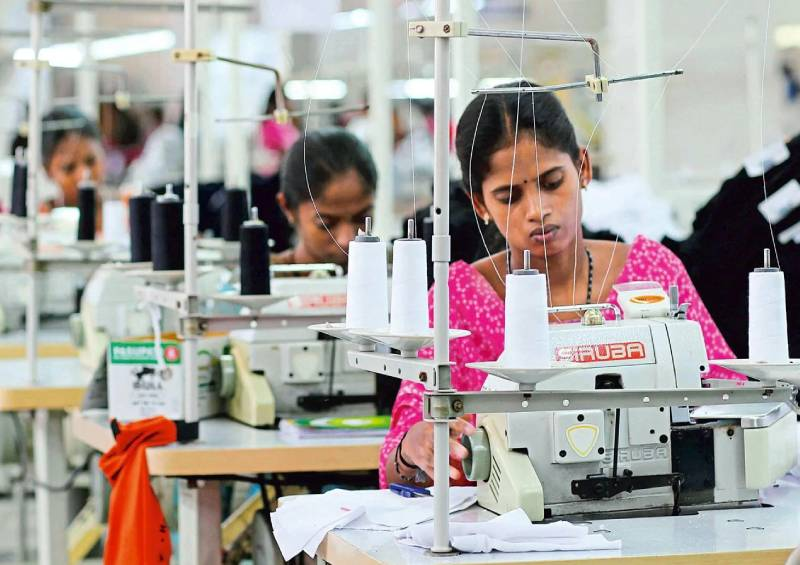
The factory prioritizes quality on technical fabrics using Yamato and Brother machines (Japan) that feature specialized technologies to prevent oil stains and puckering. A strategic shift toward de-skilled automation is achieved through Richpeace and Supreme template systems, allowing unskilled operators to produce consistent, complex stitching. This hybrid approach leverages Japanese precision and Chinese automation to balance operational efficiency with premium output standards.
The facility enables high-performance jacket production using Richpeace quilting and Bealead automatic down filling systems to ensure precise insulation and design flexibility. Market capabilities are expanded into waterproof rainwear and skiwear through H&H hot air seam sealing machines that seal needle holes. Finally, strict export safety standards are maintained via Hashima twin-head needle detectors to prevent consumer injury.
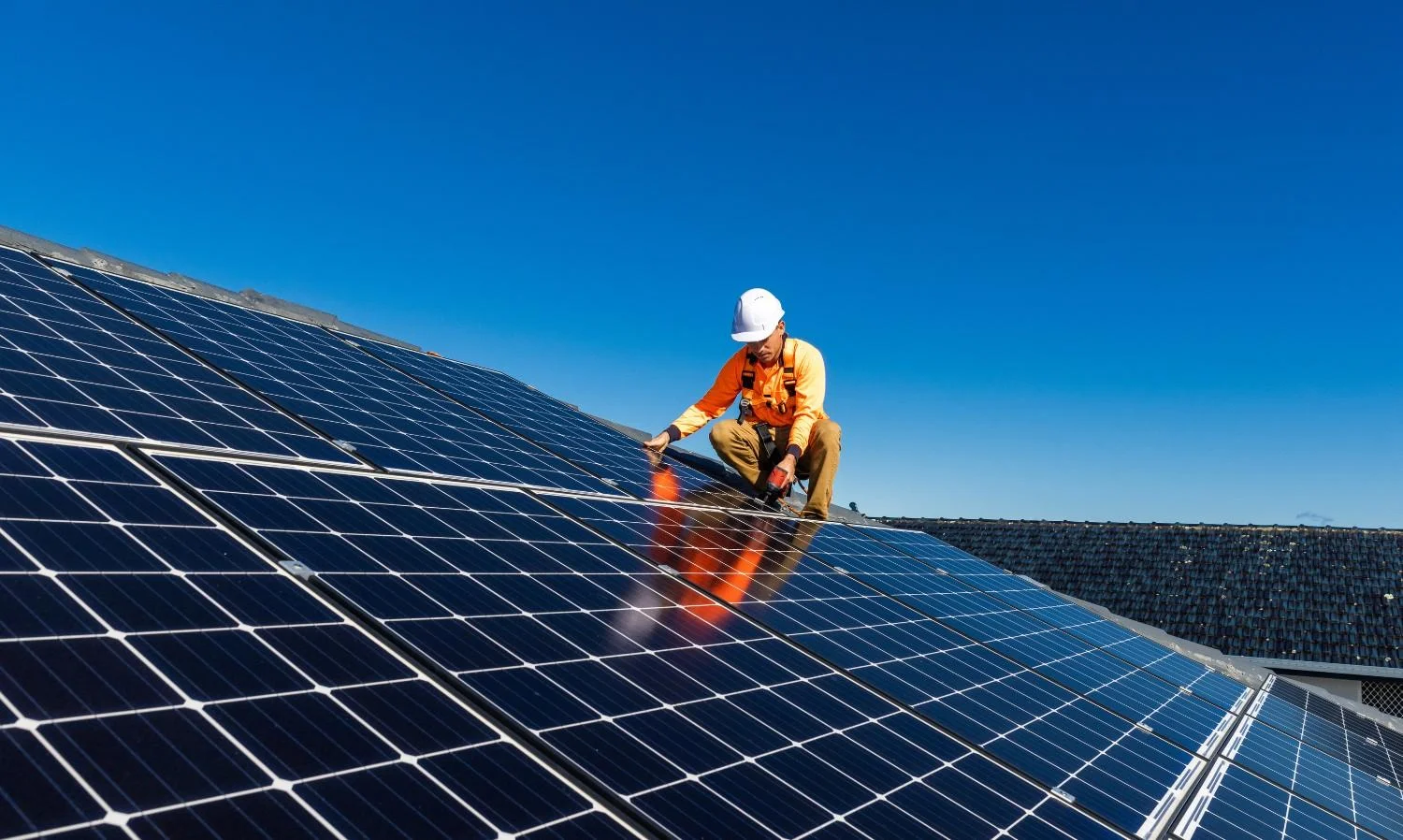
The facility ensures 100% operational uptime through a 1250 KVA substation supported by dual 625 KVA backup diesel generators. Sustainability and cost-efficiency are enhanced by a 240 kW solar system that supplies 10% of total energy needs, reducing the carbon footprint. Additionally, a dedicated 500 kg boiler drives finishing operations by providing consistent steam distribution.
The full order-to-export process — the standard industry flow this fits into.
A buyer (brand/importer) sends a tech pack, design, and target price/quantity. The factory’s merchandising team reviews feasibility and fabric/trim sourcing.
Factory costs fabric, trims, labor, and overhead to give the buyer a per-piece price (FOB usually). Negotiation happens here.
Several rounds — proto sample → fit sample → size-set sample → pre-production (PP) sample — until the buyer approves.
Buyer issues a PO with style, quantity, sizes/colors, price, and ship date. Often backed by an L/C or T/T payment terms.
Merchandising books a production slot, raw materials are ordered, and a Time & Action (T&A) calendar is set against the ship date.
Fabric is spread and cut using band knife/straight knife/lay-cutting machines; cut panels are bundled and numbered.
Panels move through the 634 sewing machines on assembly lines — each operator handling one operation until garments come off the line complete.
Inspectors check construction quality while sewing is still running, catching defects early.
Thread trimming/sucking, steam pressing/ironing, spot removal, then a 100% metal detector pass.
A second formal inspection once half the order is finished and packed.
Often done against AQL 1.0–4.0 standards, sometimes with the buyer’s own QC or a third-party agency physically present.
Folding, polybagging, barcoding/labeling per buyer specs, then cartooning and palletizing.
The factory maintains its BSCI/Sedex/GRS/OEKO-TEX standing — buyers often require a valid audit on file before placing the order.
Commercial invoice, packing list, Certificate of Origin, EPB paperwork, and a Bill of Lading/Airway Bill are prepared.
Goods ship FOB/CIF as agreed; buyer or their nominated forwarder takes it from the Bangladesh port onward.
With day and night operations aligned across categories, production remains adaptable in scale and stable in rhythm, enabling seamless execution from specialized runs to high-volume programs.
To achieve significant water efficiency, K.A. Design Sports Wear Ltd. will implement a dual approach addressing both interior and exterior consumption. For indoor use, the facility will install high-efficiency, WaterSense-labeled fixtures, including low-flow faucets, dual-flush toilets, and waterless urinals, which will drastically reduce the potable water baseline without compromising hygiene or functionality.
Simultaneously, outdoor water reduction will be achieved through the selection of drought-tolerant, native plant species for landscaping that require little to no irrigation (xeriscaping). If irrigation is necessary, it will be supplied exclusively through non-potable water sources, ensuring that the factory minimizes its strain on the municipal water supply.
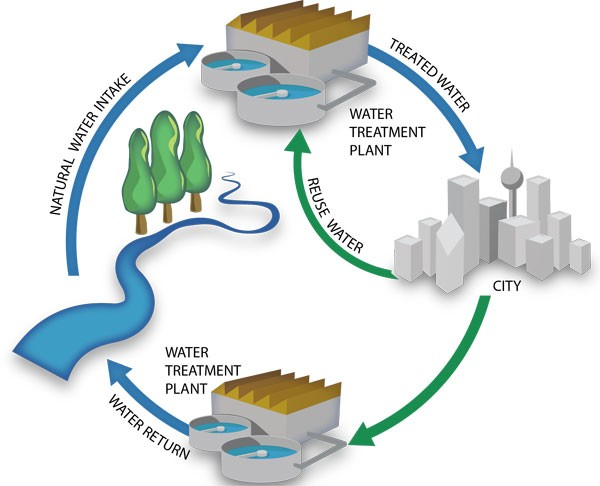
The factory will integrate a comprehensive natural water management system designed to capture, treat, and reuse water resources on-site. This system will feature a robust rainwater harvesting infrastructure that collects runoff from the roof and hardscape surfaces, diverting it to large storage tanks.
Additionally, a surface water management plan will utilize bioswales and retention ponds to filter stormwater naturally. This collected water will be treated and recycled for non-potable applications such as toilet flushing, landscape irrigation, and industrial process cooling, thereby creating a closed-loop water cycle that significantly lowers the facility’s freshwater withdrawal.
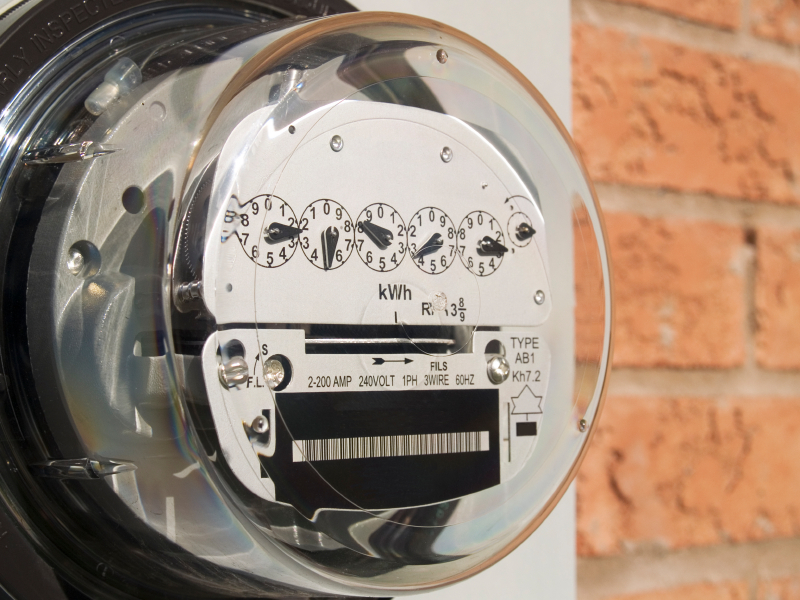
To ensure ongoing operational efficiency and accountability, K.A. Design Sports Wear Ltd. will install advanced building-level metering for both energy and water systems. These meters will be integrated into a central Building Management System (BMS) to provide real-time data on consumption patterns across the factory.
By tracking total energy use and potable water throughput, the facility management team can identify inefficiencies, detect leaks early, and verify that the building is performing according to its design baselines. This data-driven approach is essential for maintaining LEED performance standards over the building’s lifecycle.
A dedicated, easily accessible area will be incorporated into the factory’s layout to facilitate the storage and collection of recyclables. This strategy goes beyond standard waste management by providing segregated bins for paper, corrugated cardboard, glass, plastics, and metals at convenient locations for workers.
Given the nature of K.A. Design Sports Wear Ltd. as a garment manufacturer, this system will also include specific protocols for collecting and recycling textile scraps and fabric waste. This initiative aims to reduce the waste stream sent to landfills and encourages a culture of recycling among the workforce.
The facility’s heating, ventilation, and air conditioning (HVAC) system will be designed to eliminate the use of chlorofluorocarbons (CFCs), which are known to deplete the ozone layer. We will select refrigerants that have zero Ozone Depletion Potential (ODP) and low Global Warming Potential (GWP).
By adhering to the Fundamental Refrigerant Management requirements of LEED, the HVAC system will ensure a comfortable thermal environment for employees while minimizing the factory’s contribution to stratospheric ozone depletion and climate change.
To protect the health of employees and visitors, KAD Sports Wear Ltd. will implement a strict Environmental Tobacco Smoke (ETS) control policy. Smoking will be prohibited inside the building and within 25 feet of all entries, outdoor air intakes, and operable windows.
Clear signage will be posted to enforce this boundary, effectively preventing smoke from entering the facility and maintaining high indoor air quality. If a designated smoking area is provided, it will be located outside the exclusionary zone to ensure that non-smokers are not exposed to second-hand smoke.
A significant portion of the factory’s energy demand will be met through on-site renewable energy generation. We will install a rooftop solar photovoltaic (PV) system designed to offset a percentage of the building’s total energy cost. This solar array will work in tandem with energy-efficient LED lighting and high-performance machinery to drastically reduce the facility’s carbon footprint.
By generating clean electricity on-site, KAD Sports Wear Ltd. will reduce its reliance on fossil-fuel-based grid power, protecting the company against fluctuating energy prices while earning points for Renewable Energy Production.
The architectural design of the factory will prioritize the penetration of natural light to improve worker well-being and reduce electricity usage. Through the strategic placement of skylights, clerestory windows, and properly glazed localized openings, we will ensure that a majority of regularly occupied spaces receive sufficient daylight. This approach not only minimizes the need for artificial lighting during daytime hours but also connects workers with the outdoors, which has been proven to boost productivity and morale in industrial environments.
EnergySolve International is a sustainability-focused engineering consultancy that develops green, resource-efficient, and healthy building and infrastructure projects. It provides sustainability services, MEP consultancy, facility audits, and testing & surveys to improve the energy, water, and environmental performance of buildings. The company has worked on numerous LEED-certified industrial and commercial projects across multiple countries, especially in the apparel and textile sector.
Emon Development and Builders Ltd. (EDBL) is a Bangladeshi construction company, formed in 2020, evolving from Emon Enterprise, which has operated since 2007. It focuses on engineering, procurement, construction, operation, and management of infrastructure, industrial, and power projects, with strong experience in pharmaceutical and industrial facilities. The company emphasizes financial strength, technical expertise, quality, and long-term client relationships, aiming to be a preferred contractor of choice in Bangladesh.
We serve leading brands across 25+ countries, combining international quality standards with competitive manufacturing capabilities.
Our export markets span North America, Europe, and Asia-Pacific, with established logistics networks ensuring reliable delivery worldwide.
Learn More About UsGet a custom quotation for your garment requirements. Our team will respond within 24 hours.
Request Quotation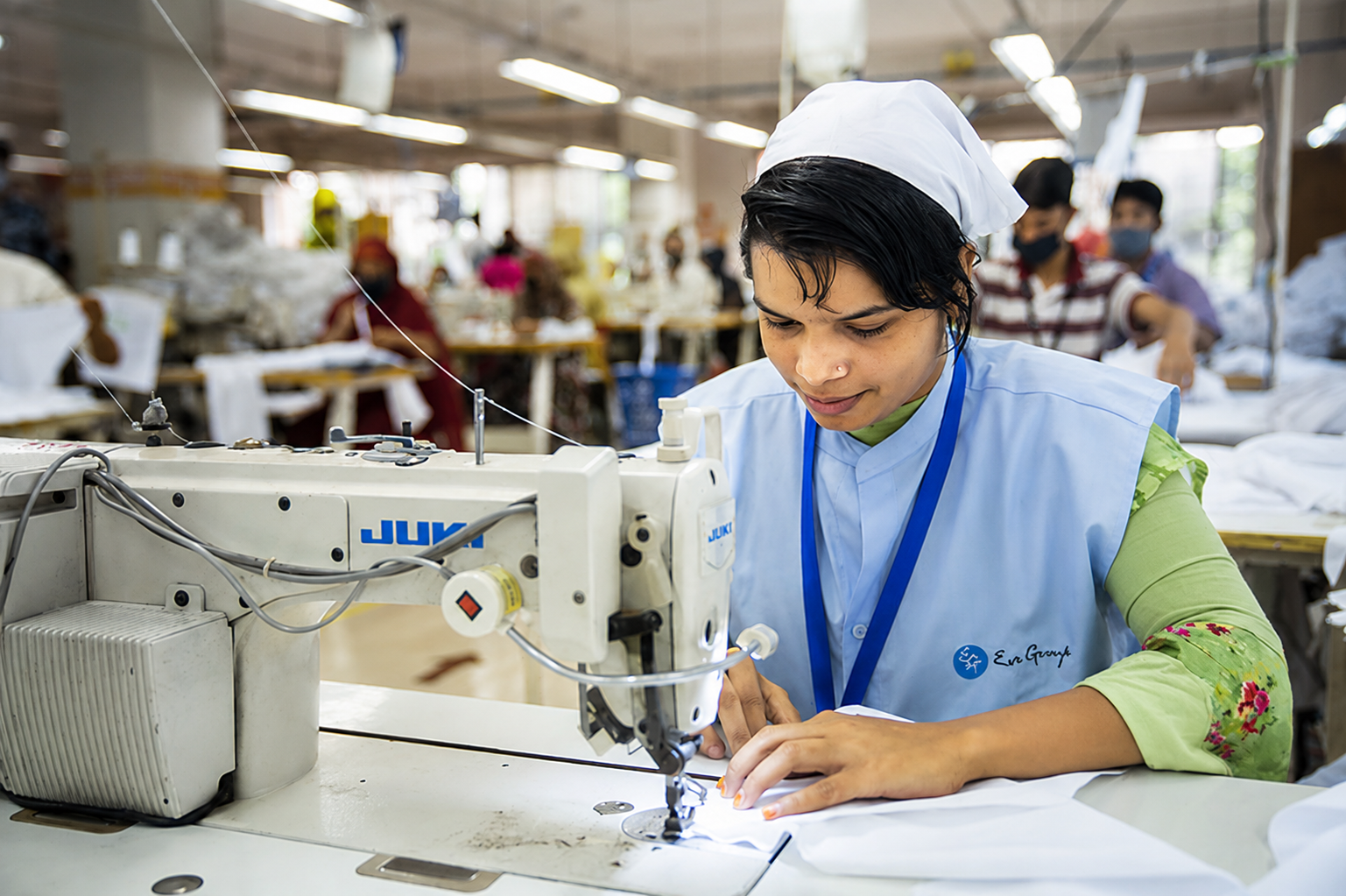

 Control.png)